
Preserving the Harvest

We’re stepping it up to Gardening 102, and the focus today is preserving the harvest.
I’m out here in the field right now. The sun’s out, a little breeze going- perfect day to talk about food, land, and keeping what you grow. If you’re serious about being self-sufficient, learning how to provide for your family, and wanting to make sure your work doesn’t go to waste, this part matters.
So, I’ve got my book here, Back to Basics. I always recommend it if you’re trying to live off the land or just grow your own food. This book covers everything from picking land, raising livestock, and preserving what you grow. It’s the starter kit for self-sufficiency.
Learn How To Preserve the Harvest
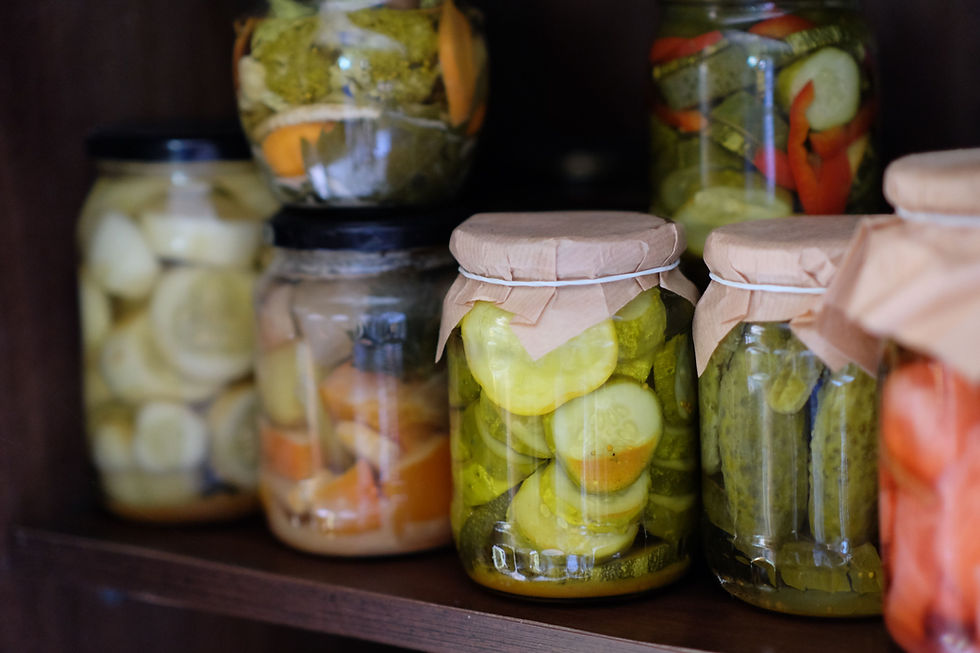
Once The Harvest Comes In
Here’s what the book says: Once the harvest is in, the next job is to make sure it doesn’t go to waste. That line right there is powerful. You spend months planting, watering, fighting off pests, hoping for rain. When that harvest finally comes in, you can’t just let it spoil. You’ve got to know how to store it, save it, and stretch it.
Old-timers called it putting by. That means taking the surplus from today and setting it aside for tomorrow’s shortage. You store it, save it, and prepare it so your family has food during the lean months when nothing’s growing.
And that’s not just a gardening lesson. That’s a life lesson. When you get a surplus, don’t waste it. Put it aside. Whether that’s money, food, or energy, put some by for the times when things get slow.
Don’t Assume It Can’t Happen To You
People like to think, “Oh, that kind of collapse or shortage only happens in other countries.” But fam, if it happened there, it can happen here. I’m not fear-mongering; I’m just saying be prepared. Have a little tucked away, seeds, canned food, water, and skills. So if anything goes down, your household doesn’t panic.
You never know when you might need what you’ve stored. And if nothing ever happens? Great. You’ve still learned how to live better and waste less.
Ways To Preserve Your Harvest
So let’s talk about the actual methods. Back in the day, before refrigerators, folks relied on drying, salting, and live storage. That’s how they survived winters.
Drying: You can dry out fruits and vegetables like tomatoes, peppers, herbs, and even okra. When you dry them, you can grind them up into powders and make your own seasonings. That’s how you make paprika. You can even dry out herbs like goldenrod or basil and use them later.
Salting: People don’t do this as much anymore, but it’s still used around the world. You salt meat or fish to cure it. It pulls out moisture, keeps bacteria from growing, and preserves food for months.
Live storage: That’s storing produce naturally in cool conditions—root cellars, basements, or even just cold ground. Some foods like potatoes, beets, and carrots do great stored live.
Modern Preservation
Now we’ve got newer methods: canning, freezing, pickling, smoking. Each has its place.
Canning: Once you get a pressure canner and some jars, you’re set. You heat your food, seal it, and it’s good for months. Some vitamins are lost with the heat, but it’s a solid, affordable method.
Freezing: The most modern method. It barely changes flavor or nutrition if you do it right. The key is proper storage. Use a vacuum sealer if you can; it keeps air out, prevents freezer burn, and keeps things fresh longer.
Smoking: This one’s old-school but effective. If you raise animals or hunt, build a small smokehouse. It keeps your meat safe for longer and adds flavor.
Plan For The Year Ahead
Here’s the thing: if you plan, one good harvest can feed your family for the whole year. But it takes thinking ahead. When you’re deciding what to plant, start with what your family actually eats.
If y’all love potatoes and tomatoes, grow those. If you eat a lot of bread, grow grains or corn. Use companion planting, plants that grow better together, to maximize your space.
And remember, you don’t need acres of land. Micro-gardening is real. People are growing food on balconies, in raised beds, even in tubs. It’s about working smarter, not bigger.
Every Space Matters
One of the biggest lies out there is that you need a huge farm to feed your family. You don’t. Look back at history. During the Great Depression, people survived by growing food in their front and back yards. They didn’t have fancy tools, just seeds, soil, and consistency.
You can grow a lot in small spaces using trellises, garden beds, and vertical growing. Some people even combine fish and plants in hydroponic setups. The key is making the most of what you’ve got.
Storing Smart
Not every food stores the same way. Here are a few examples straight from the book:
Apples: Live storage, canning, jam, or drying
Beans: Canning, freezing, or drying
Beets and carrots: Live storage works great since they’re root crops
Tomatoes: Canning or drying
Greens: Blanch before freezing
Cabbage: Salt curing or fermenting into kimchi
And don’t forget, you can make your own jellies, butter, vinegar, and even bread. So many of the things we run to the store for can be made right at home with what you already have.
Learn The Principles, Then Make It Your Own
This is important, fam: don’t just copy what someone else does. What works for me might not work for you. Maybe I like pickled vegetables, but you don’t. Maybe your weather is colder; maybe it’s hotter. Learn the principles first, then tweak them to fit your needs.
That’s what being self-sufficient really means. You’re not waiting on someone else’s system. You’re learning, adapting, and creating your own rhythm.
Final Thoughts
Preserving your harvest isn’t just about food. It's about mindset. It’s about gratitude for the work you’ve done and preparation for what’s ahead. It’s realizing that what you grow with your own hands is worth protecting.
So when that harvest comes in, celebrate it, but then get serious. Start putting some by. Dry some, can some, freeze some. Store it up so you and your family can eat well through every season.
Because when you grow your own food, you’re not just feeding your body. You're feeding your freedom. Peace, fam. Keep planting, keep preserving, and keep showing up for your garden and yourself.
To learn more, join the Set Apart Tribe to learn more about self-sufficiency.
Membership Benefits:
Free Tier 1 Facebook group- Be part of a like-minded community sharing, praying, and growing together in real-time.
The Set Apart Tribe ($15/mo) – for Early YouTube access, exclusive overflow content, bi-weekly Q&As, monthly giveaways and 5% merch discount.
Growth Circle ($200/mo) – Receive All Tribe benefits, Bi-monthly group coaching (2-hour sessions), Digital product library and 20% merch discount
Legacy Level ($600/mo)– Get All Growth Circle benefits, Two 1-on-1 monthly coaching calls 40% merch discount.
And while you’re at it, don’t forget to subscribe to our newsletter (for updates + free monthly T-shirt giveaway) and follow us on YouTube and Instagram to see the daily realities of self-sufficient living.


Comments